Improve Your Texas Land for Wildlife and Habitat Health
We help landowners shape properties that support native wildlife, healthy ecosystems, and responsible land management.
Habitat Goals
Wildlife Habitat Improvements Built Around the Outcomes Landowners Want
Gulf Coast Conservation helps landowners improve habitat with practical work that supports wildlife, strengthens land health, and keeps the property useful for the long term.
Improve Deer Habitat
Create better bedding cover, forage areas, and travel corridors across the property.
Improve Waterfowl Habitat
Develop wetlands, shallow water areas, and feeding environments that attract more activity.
Native Grass Restoration
Encourage native plant growth, improve biodiversity, and strengthen overall habitat quality.
Land Stewardship Planning
Improve long-term habitat health while keeping the land functional, manageable, and productive.
Habitat Impact
How Habitat Improvements Change the Land
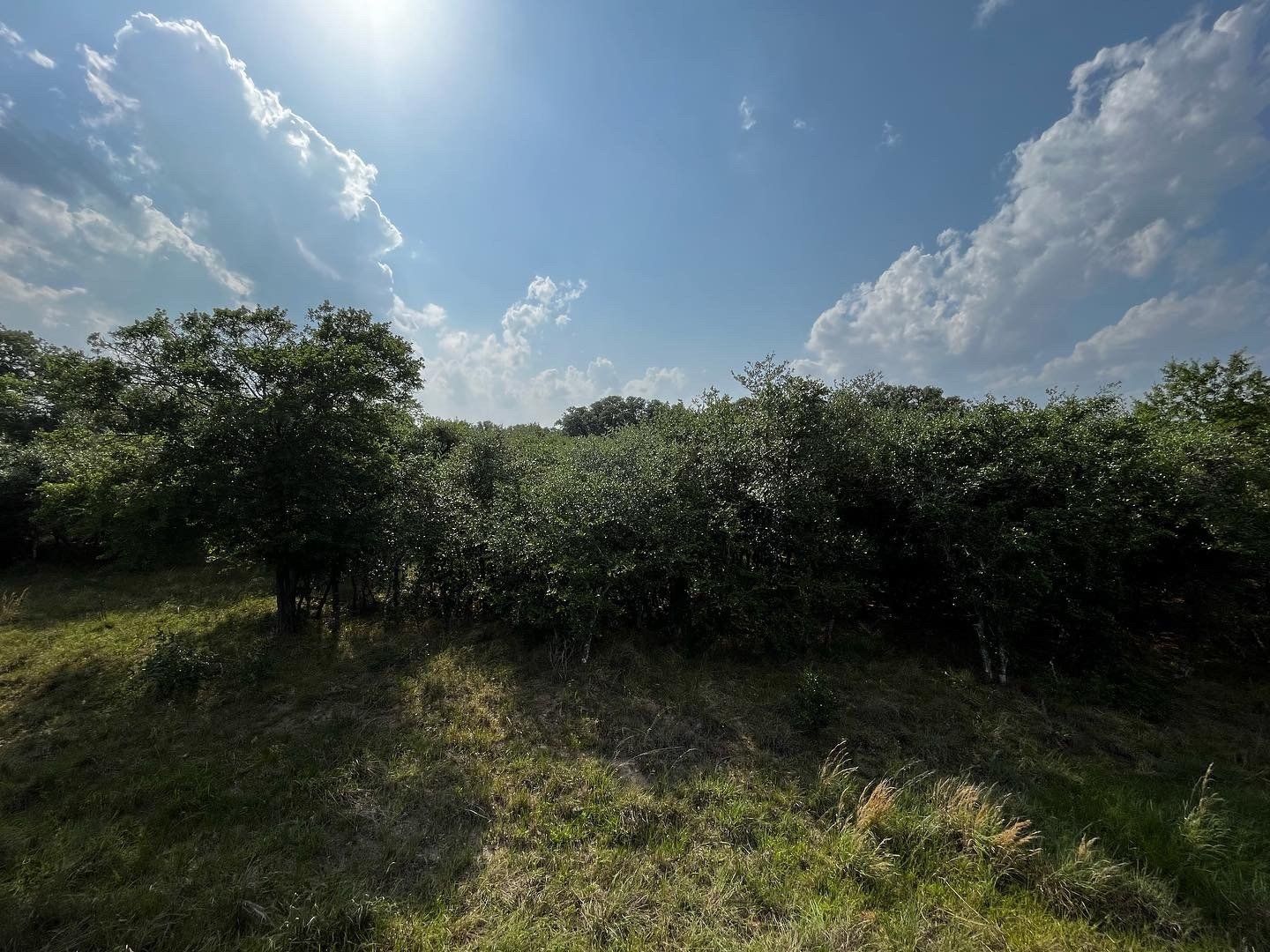
Stronger Native Vegetation
Encouraging native grasses and plants provides food sources, cover, and better habitat structure for wildlife.
Better Water Access
Improving water movement and access points helps wildlife stay active across the property year-round.
Improved Habitat Diversity
A mix of grasses, brush, and open space creates better habitat layers for different wildlife species.
Healthier Ecosystem Balance
Thoughtful habitat improvements help maintain sustainable wildlife populations and a healthier landscape.
Wildlife Species
Wildlife That Benefits From Habitat Improvement
Thoughtful habitat improvements can support a wider range of wildlife by improving cover, food sources, nesting areas, movement corridors, and overall land health.
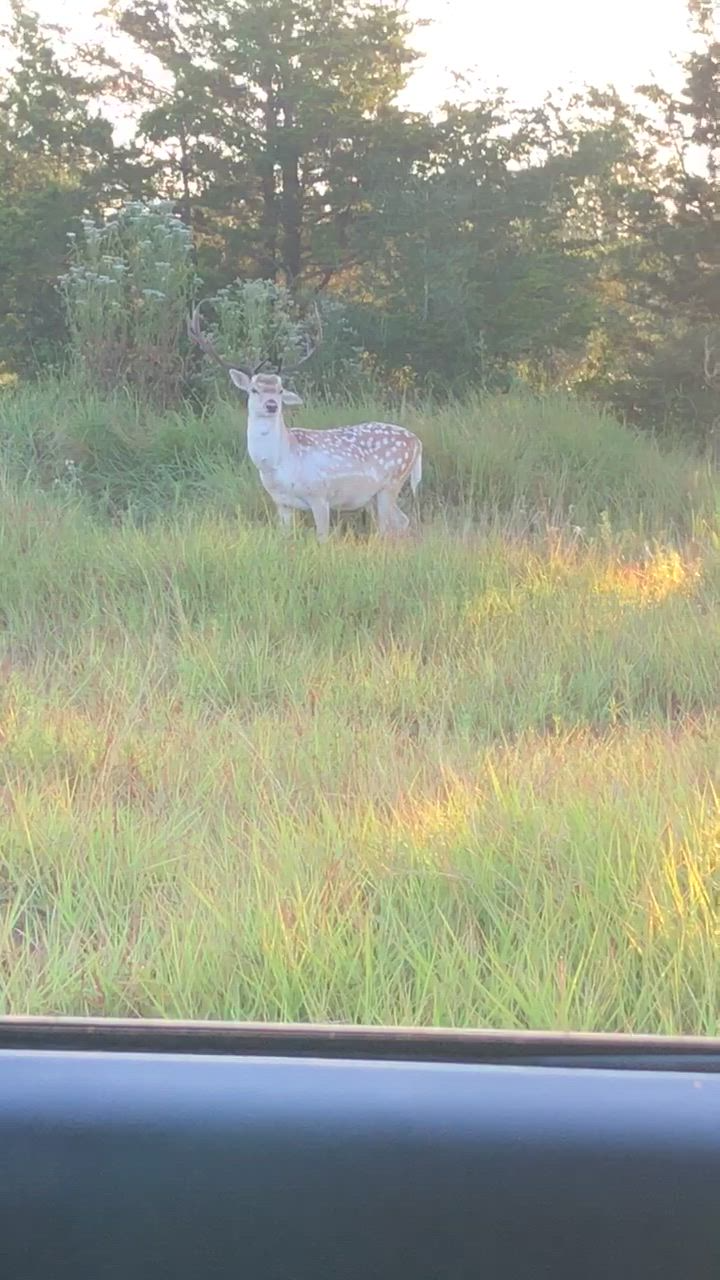
White-Tailed Deer
Benefit from improved bedding cover, travel corridors, and stronger native forage areas.
Ducks & Waterfowl
Respond well to wetlands, shallow water features, and improved feeding environments.
Wild Turkey
Need a balance of open ground, cover, and usable habitat for movement and nesting.
Songbirds
Thrive when habitat includes native grasses, brush cover, and healthier ecosystem diversity.
Quail
Benefit from diverse plant structure, protective cover, and better ground-level habitat.
Pollinators
Native flowering plants help support bees, butterflies, and other important pollinators.
Types of Land We Improve
Habitat work tailored to the kind of property you own
Gulf Coast Conservation helps improve wildlife habitat across a wide range of rural properties, with recommendations shaped around how the land is used and what you want it to become.
Land Stewardship
Responsible Land Management Matters
Wildlife habitat improvement should strengthen the land, not just change how it looks. Our approach focuses on improving habitat while protecting soil health, water flow, and the long-term usability of the property.
Protect Soil Health
Habitat work should improve the land without creating unnecessary disturbance that weakens long-term ground conditions.
Respect Water Movement
We consider drainage, runoff, and how water moves across the property so improvements work with the land naturally.
Support Long-Term Usability
The goal is to create stronger habitat while keeping the property practical, manageable, and useful for years to come.
Our Process
How We Improve Wildlife Habitat
Our habitat improvement process helps landowners make practical changes that strengthen wildlife habitat while protecting the long-term health and usability of the land.
Property Walkthrough
We evaluate vegetation, water movement, and current habitat conditions across the property.
Habitat Planning
We determine the improvements that will best support wildlife, native vegetation, and your long-term land goals.
Implementation
Work is carried out to improve vegetation structure, habitat zones, and overall land function.
Long-Term Land Improvement
The property becomes healthier, more supportive of wildlife, and more functional over time.
FAQ
Wildlife Habitat Improvement FAQ
Here are a few common questions landowners have when considering wildlife habitat improvement on their property.
What is wildlife habitat improvement?
Wildlife habitat improvement is the process of making land more supportive of wildlife by improving vegetation, cover, food sources, water access, and overall habitat quality.
What animals benefit from habitat improvement?
Habitat improvements can benefit a wide range of wildlife including white-tailed deer, ducks, waterfowl, wild turkey, quail, songbirds, pollinators, and other native species depending on the property.
Can habitat improvements increase land value?
In many cases, yes. Thoughtful habitat improvements can make land more attractive, more functional, and more desirable for recreation, hunting, stewardship, and long-term use.
How long does habitat improvement take?
The timeline depends on the size of the property, the existing conditions, and the type of improvements being made. Some changes happen quickly, while others continue improving the land over time.